
Infill & redevelopment
How to Plan a Successful Inner City Construction Project in Calgary
Learn How to plan a successful inner city construction project with practical guidance on site assessment, design, permits, budgeting, construction coordination, neighbourhood challenges, and project management.
Start With a Clear Development Plan
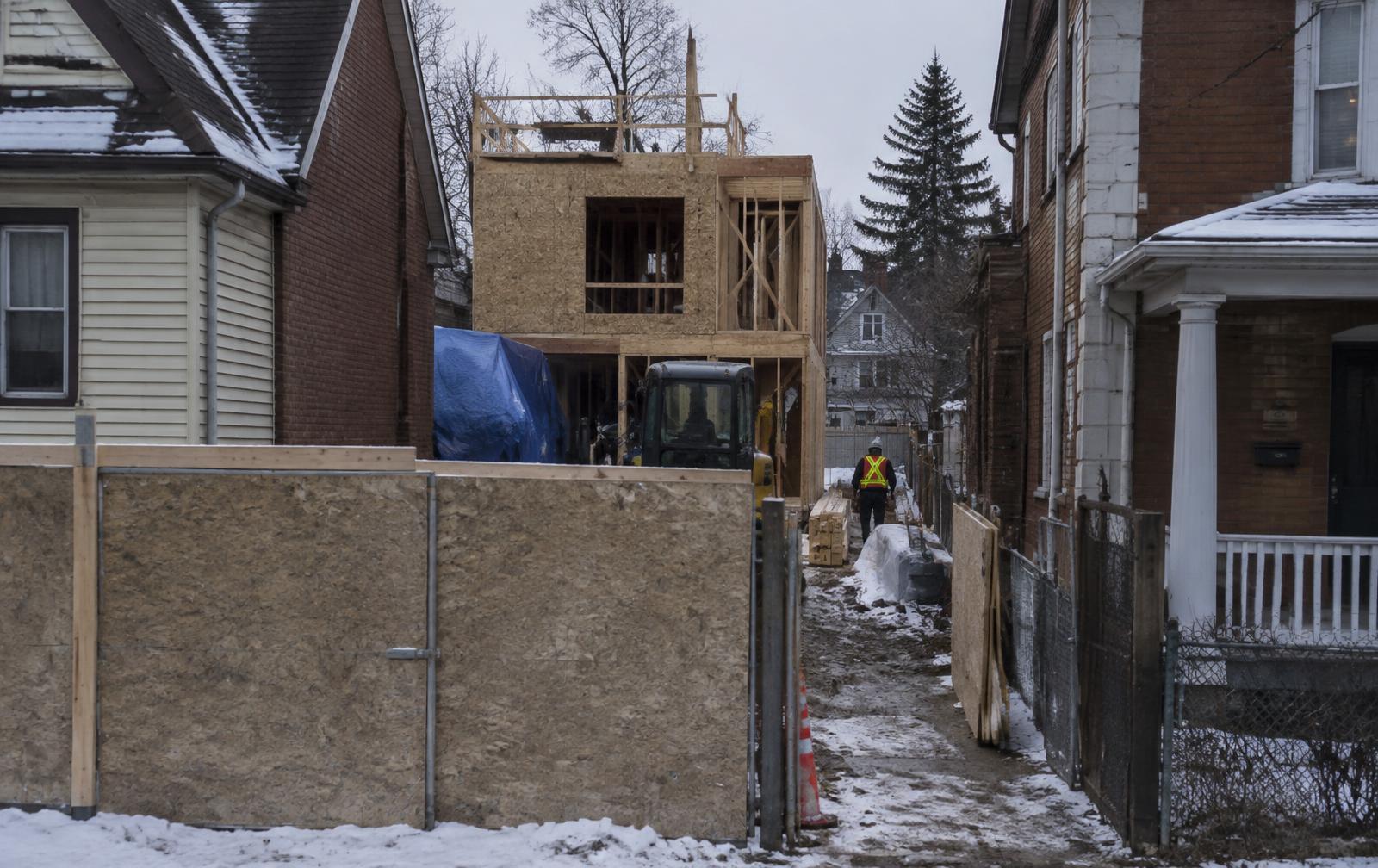
Learning How to plan a successful inner city construction project begins with understanding that urban construction is different from building on an undeveloped site. Inner-city projects often involve established neighbourhoods, existing homes, limited access, nearby properties, mature infrastructure, and tighter construction sites.
A clear plan is essential when considering How to plan a successful inner city construction project because decisions made before construction can significantly affect the schedule, budget, and overall outcome. Establishing the project scope, objectives, budget, design direction, and construction strategy early creates a stronger foundation for the development.
Evaluate the Property Before Construction
One of the first steps in How to plan a successful inner city construction project is completing a detailed assessment of the property. Lot dimensions, existing structures, grading, access, utilities, neighbouring buildings, drainage, and site conditions should all be considered.
For Calgary infills and residential redevelopment, the existing site can create challenges that are not immediately visible. Understanding these conditions before finalizing the construction approach can make How to plan a successful inner city construction project more predictable and help identify potential issues early.
Understand Demolition Requirements
Many inner-city construction projects begin with demolition of an existing property. Demolition needs to be carefully planned because it affects site access, waste removal, utility coordination, neighbouring properties, and the timing of subsequent excavation.
When considering How to plan a successful inner city construction project, demolition should be treated as part of the overall construction schedule rather than an isolated activity. Coordinating demolition with site preparation and the next construction stage can reduce unnecessary downtime.
Coordinate Design and Construction Early
Good design and effective construction planning need to work together. Architectural plans should consider the practical realities of the site, including access, structural requirements, building systems, materials, and construction sequencing.
A key part of How to plan a successful inner city construction project is bringing the builder, designers, engineers, and other consultants together early. Early coordination can improve buildability and help identify potential conflicts before construction begins.

Plan for Restricted Site Access
Limited access is one of the most common challenges associated with inner-city construction. Deliveries, excavation equipment, cranes, concrete trucks, waste removal, and material storage may all need to operate within a relatively small site.
Understanding How to plan a successful inner city construction project means developing a practical site logistics plan. Delivery schedules, material storage, equipment movement, trade access, and pedestrian considerations should be coordinated before construction activities become congested.
Manage Neighbouring Properties
Construction in established neighbourhoods requires consideration for surrounding properties. Excavation, demolition, deliveries, noise, dust, equipment movement, and construction activity can all affect neighbouring homes.
An experienced construction team understands that How to plan a successful inner city construction project includes managing these surrounding conditions responsibly. Clear communication, organized site management, and appropriate construction practices can help reduce unnecessary disruption.
Establish a Realistic Budget
Budget planning is another essential part of How to plan a successful inner city construction project. Costs can extend beyond the main building construction and may include demolition, excavation, engineering, utilities, site work, concrete, landscaping, municipal requirements, and project-specific site conditions.
A detailed scope of work helps establish clearer expectations. When evaluating How to plan a successful inner city construction project, developers should also understand allowances, exclusions, potential changes, and other factors that could influence the final investment.

Build a Coordinated Construction Schedule
An inner-city project involves many interconnected construction activities and trades. Excavation, foundations, framing, roofing, building envelope work, mechanical systems, electrical, plumbing, interiors, exterior work, and landscaping need to follow an organized sequence.
Effective scheduling is therefore central to How to plan a successful inner city construction project. A coordinated construction schedule helps ensure that materials, trades, inspections, and site activities are available when required.
Choose an Experienced Construction Partner
The construction company you select can have a significant impact on the outcome. When researching How to plan a successful inner city construction project, look for a contractor with experience in Calgary infills, custom homes, redevelopment, and multi-unit residential construction.
Symphony Development Partners has experience delivering residential projects in established Calgary neighbourhoods, including custom homes, infills, fourplexes, and multiplex developments. Our approach focuses on coordinating consultants, trades, suppliers, project schedules, and construction activities through an organized process.
Focus on Quality and Long-Term Value
The final objective of How to plan a successful inner city construction project should not simply be completing construction on schedule. The finished property should provide quality construction, functional spaces, durable materials, and long-term value.
From foundations and framing to building envelope systems, interiors, concrete work, and exterior finishes, every stage contributes to the final result. Careful planning helps ensure these components are considered as one integrated project.
For homeowners and developers asking How to plan a successful inner city construction project, the most effective approach is to start early, understand the site, establish a realistic scope and budget, coordinate design and construction, and select an experienced construction partner.
With the right planning and execution, an inner-city property can be transformed into a modern residential development while respecting the constraints and character of its established Calgary surroundings.
Related reading
- Calgary Redevelopment ContractorLooking for a Calgary redevelopment contractor? Learn how to plan residential redevelopment projects, from site evaluation and demolition to design, construction, municipal coordination, and completion.
- Infill Builder CalgaryLooking for an infill builder Calgary homeowners and investors can trust? Learn how infill construction works, what to consider before building, and how the right construction partner can help manage the project.
- Infill Home Construction CalgaryLearn what to consider before starting Infill home construction Calgary, from lot evaluation and demolition to design, permits, construction, and project management.
- Custom Home Construction CalgaryExplore custom home construction Calgary with Symphony Development Partners, from planning and site preparation to quality construction, finishing, and project completion.
See how this work looks in practice on our projects and services pages.
Start a conversation
Let's talk about your project
Tell us what you're planning. We'll give you an honest read on scope, budget and timeline before anyone signs anything.